
Track: Trauma Reconstruction and Fracture Management
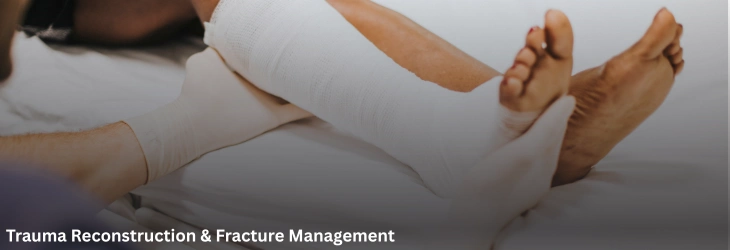
The Trauma Reconstruction and Fracture Management session covers the full continuum of trauma care, from damage control strategies in polytrauma patients to definitive fixation of complex periarticular fractures. Attendees will explore the latest techniques for managing nonunion and malunion.
The session also addresses external fixation and staged reconstruction protocols, soft tissue management in open fractures, and advances in fixation hardware and biomechanics that are improving outcomes for even the most severe injuries.
Given the unpredictable, high-stakes nature of trauma care, this session emphasizes practical, field-tested strategies attendees can apply immediately, making it one of the most operationally valuable sessions for surgeons managing acute and complex trauma cases in 2027. This session covers everything from emergency damage control to definitive reconstruction after major trauma.
Key Topics and Highlights:
Damage Control Orthopedics: Managing musculoskeletal injury in polytrauma patients. This session reviews staged treatment protocols used in severely injured patients.
Complex Periarticular Fractures: Advanced fixation techniques for challenging fracture patterns. Speakers will present technique-specific approaches for the most challenging fracture patterns.
Nonunion & Malunion Reconstruction: Strategies for correcting failed fracture healing. Identifying the underlying cause of nonunion, whether mechanical or biological, is essential before planning revision surgery.
External Fixation and Staged Reconstruction: Protocols for complex, multi-stage trauma care. External fixation allows temporary stabilization while soft tissues recover before definitive fixation.
Soft Tissue Management: Techniques for handling open fractures and associated injury. Soft tissue coverage decisions significantly influence infection risk and overall outcome in open fractures.
Fixation Hardware and Biomechanics: Innovations improving construct strength and reliability. New implant designs and materials are improving fixation stability in challenging fracture patterns and bone quality.
Scientific Highlights
- Orthopedic Surgery
- AI and Robotics in Orthopedics
- Orthopedic Radiology
- Trauma Reconstruction and Fracture Management
- Complex Arthroplasty and Arthroscopy
- Joint Preservation and Replacement
- Spine Disorders, Deformity and Functional Surgery
- Hand and Upper Extremity Surgery
- Advanced Foot and Ankle Surgery
- Pediatric Orthopedics
- Sports Medicine in Orthopedics
- Orthopedic Oncology
- Orthopedic Infections
- Rheumatology and Arthritis
- Metabolic Bone Diseases and Osteoporosis
- Orthopedic Physiotherapy
- Physical Medicine and Rehabilitation
- Musculoskeletal Disorders: Clinical Trials

Organization Location
1309 Coffeen Avenue, STE 1200, Sheridan, Wyoming 82801, USA
Mail us at
General Enquiry
contact@scientexconferences.com
Call us at
USA : (+1) 312 815 4231
Quick Links
Past Conferences
No past conferences available.
Past Webinar
No past webinars available.