
Track: Musculoskeletal Disorders: Clinical Trials
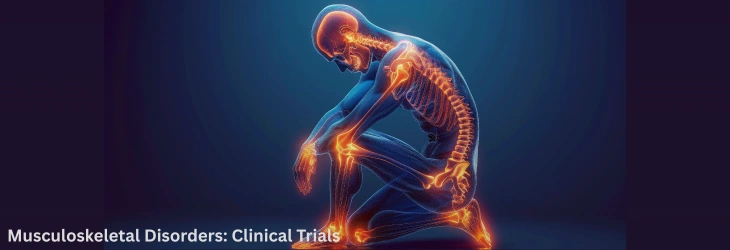
The Musculoskeletal Disorders: Clinical Trials session closes the scientific program with a focus on the research driving orthopedics forward. Attendees will hear updates on landmark and ongoing randomized controlled trials, along with translational research moving from bench to bedside.
The session also covers evolving evidence-based clinical guidelines, the unique challenges of designing surgical trials, the growing role of data science and real-world evidence in orthopedic research, and opportunities for attendees to get involved in collaborative research and publication.
As evidence-based practice continues to shape global treatment standards, this capstone session offers researchers and clinicians alike a valuable opportunity to connect, collaborate, and contribute to the studies that will define orthopedic care well beyond.
Key Topics and Highlights:
Landmark and Ongoing RCTs: Updates on major randomized controlled trials shaping practice. These trials continue to refine understanding of which surgical and non-surgical treatments truly deliver the best outcomes.
Translational Research: Moving discoveries from the laboratory to clinical application. Speakers will share case studies of successful translational research programs.
Evidence-Based Guidelines: How new research is reshaping clinical practice standards. Guidelines are continuously updated as new evidence emerges from ongoing research efforts.
Surgical Trial Design Challenges: Addressing the unique methodological hurdles of surgical research. Attendees will review strategies researchers are using to address these challenges.
Data Science and Real-World Evidence: Leveraging large datasets to inform orthopedic care. Large registries and real-world datasets are increasingly complementing traditional randomized trial evidence.
Research Collaboration Opportunities: Pathways for attendees to contribute to ongoing studies. Multicenter collaboration allows smaller institutions to contribute to larger, more statistically powered studies.
Scientific Highlights
- Orthopedic Surgery
- AI and Robotics in Orthopedics
- Orthopedic Radiology
- Trauma Reconstruction and Fracture Management
- Complex Arthroplasty and Arthroscopy
- Joint Preservation and Replacement
- Spine Disorders, Deformity and Functional Surgery
- Hand and Upper Extremity Surgery
- Advanced Foot and Ankle Surgery
- Pediatric Orthopedics
- Sports Medicine in Orthopedics
- Orthopedic Oncology
- Orthopedic Infections
- Rheumatology and Arthritis
- Metabolic Bone Diseases and Osteoporosis
- Orthopedic Physiotherapy
- Physical Medicine and Rehabilitation
- Musculoskeletal Disorders: Clinical Trials

Organization Location
1309 Coffeen Avenue, STE 1200, Sheridan, Wyoming 82801, USA
Mail us at
General Enquiry
contact@scientexconferences.com
Call us at
USA : (+1) 312 815 4231
Quick Links
Past Conferences
No past conferences available.
Past Webinar
No past webinars available.