

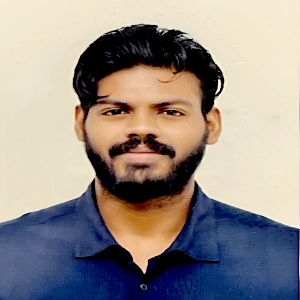
Shohib Shajahan
Azerbaijan Medical University, AzerbaijanPresentation Title:
Case report on non-displaced bilateral midshaft clavicle fracture
Abstract
Background: Bilateral clavicle fractures are rare injuries, particularly when both fractures are non-displaced, accounting for less than 0.5% of all clavicle fractures. These injuries are typically associated with high-energy trauma, such as road traffic accidents or falls from height. Diagnosis may be challenging, as plain radiographs can miss subtle or non-displaced fractures, necessitating advanced imaging, such as computed tomography (CT) for accurate detection.
Case Presentation: We report the case of a 21-year-old male who sustained bilateral non-displaced midshaft clavicle fractures following a high-speed road traffic accident. Initial radiographs were inconclusive despite persistent clinical suspicion. CT imaging subsequently confirmed bilateral fractures involving the middle third of the clavicles. The patient was managed conservatively with bilateral arm slings, analgesia, and activity restriction. At 12-week follow-up, radiographs demonstrated satisfactory fracture union with callus formation. The patient achieved full, pain-free range of motion, including forward flexion (0–180°), abduction (0–180°), and external rotation (0–90°), without complications. This case highlights an important diagnostic pitfall and underscores the role of CT imaging in patients with suspected clavicle fractures and negative radiographs. It also reinforces the effectiveness of conservative management in non-displaced bilateral clavicle fractures, which can result in excellent functional outcomes
Conclusion: Non-displaced bilateral midshaft clavicle fractures are exceptionally rare injuries that may be easily overlooked, particularly in the setting of high-energy trauma, where initial radiographs can be inconclusive. This case highlights a critical diagnostic pitfall, emphasizing that persistent clinical suspicion should prompt advanced imaging, such as CT, to ensure accurate and timely diagnosis.
Biography
Shohib Shajahan has completed his MBBS degree from Azerbaijan Medical University. He is currently preparing for the National Medical Council exam for India and is also planning to pursue an internship in the UAE. An enthusiastic aspirant in research and clinical studies, He has peered into and participated in many research and clinical studies held in universities and other medical institutions and has actively contributed by volunteering during the pandemic era, including work published in the Cureus Journal of Medical Science. His ability to find and understand clinical evidence and studies has always favoured sustainable and evidence-based practices.

Organization Location
1309 Coffeen Avenue, STE 1200, Sheridan, Wyoming 82801, USA
General Enquiry
contact@scientexconferences.com
Finance Enquiry
finance@scientexconferences.com
Call us at
USA : (+1) 312 815 4231